Marketing Automation in 2026: From Execution Engine to Decision Engine
Marketing automation has crossed a structural threshold — from rule-based workflows into an intelligent system layer that makes decisions in real time.
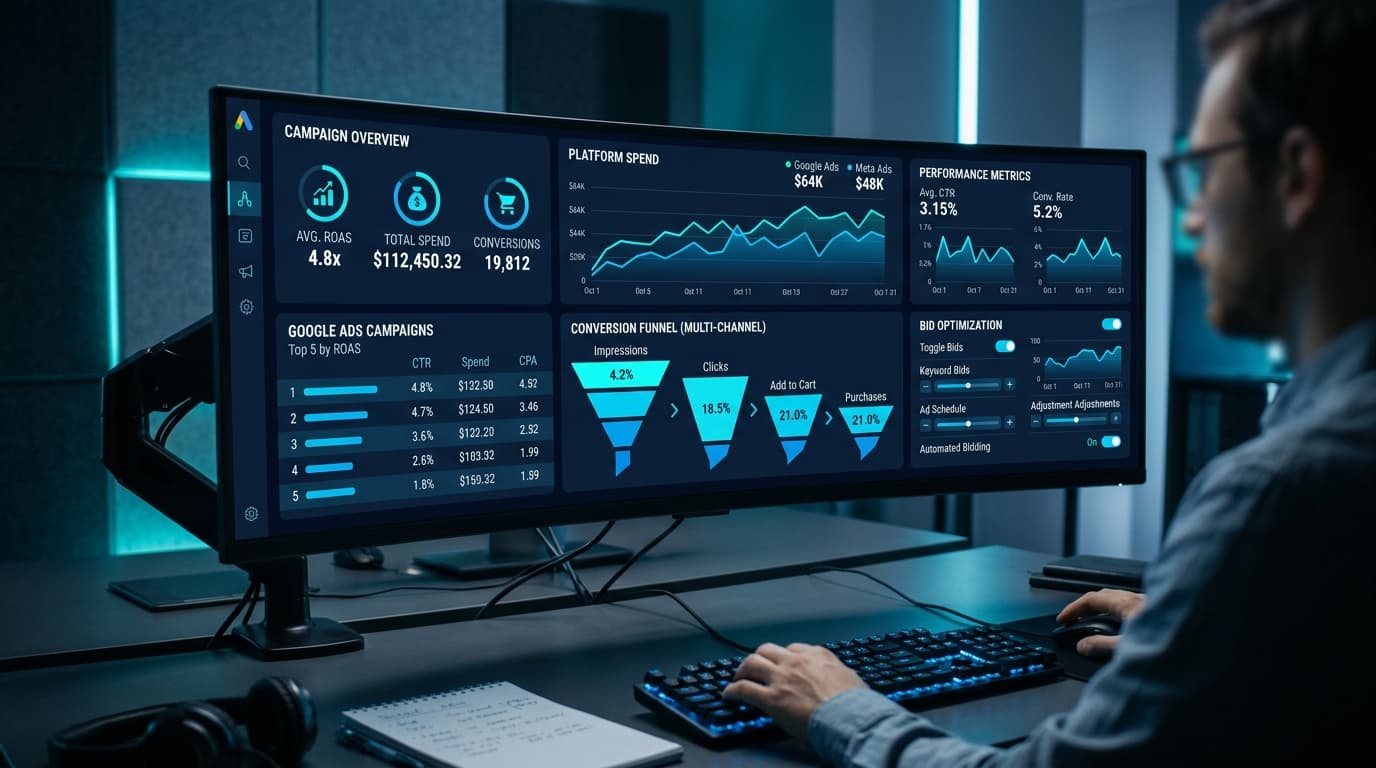
Marketing automation has crossed a structural threshold. What began as rule-based workflows and scheduled campaigns has matured into an intelligent system layer that actively makes decisions, reallocates budgets, and orchestrates customer journeys in real time. The shift is not incremental; it is architectural.
AI Is No Longer Assistive, It Is Autonomous
For years, AI supported marketers with recommendations. In 2026, it operates as a decision engine. Modern platforms increasingly embed AI agents that plan multi-channel campaigns, allocate budgets dynamically, optimize creatives based on performance signals, and adjust targeting in real time.
According to HubSpot’s State of Marketing Report 2025, 92% of marketers report that AI has already impacted their roles, and a growing segment is moving toward fully automated campaign management via AI agents. The marketer’s role is shifting from execution to supervision, strategy, and constraint-setting.
Hyper-Personalization Has Become Infrastructure
Personalization is no longer a tactic. It is an always-on system capability. Automation tools now synthesize behavioral data, contextual signals, and intent data so brands can deliver individualized experiences at scale.
In practice, product recommendations update in real time, email content changes per user, and landing pages adapt based on visitor intent. Generic funnels are structurally inefficient — if your automation is not segmenting at a micro level, you are leaving conversion on the table.
Predictive Analytics Has Replaced Reporting
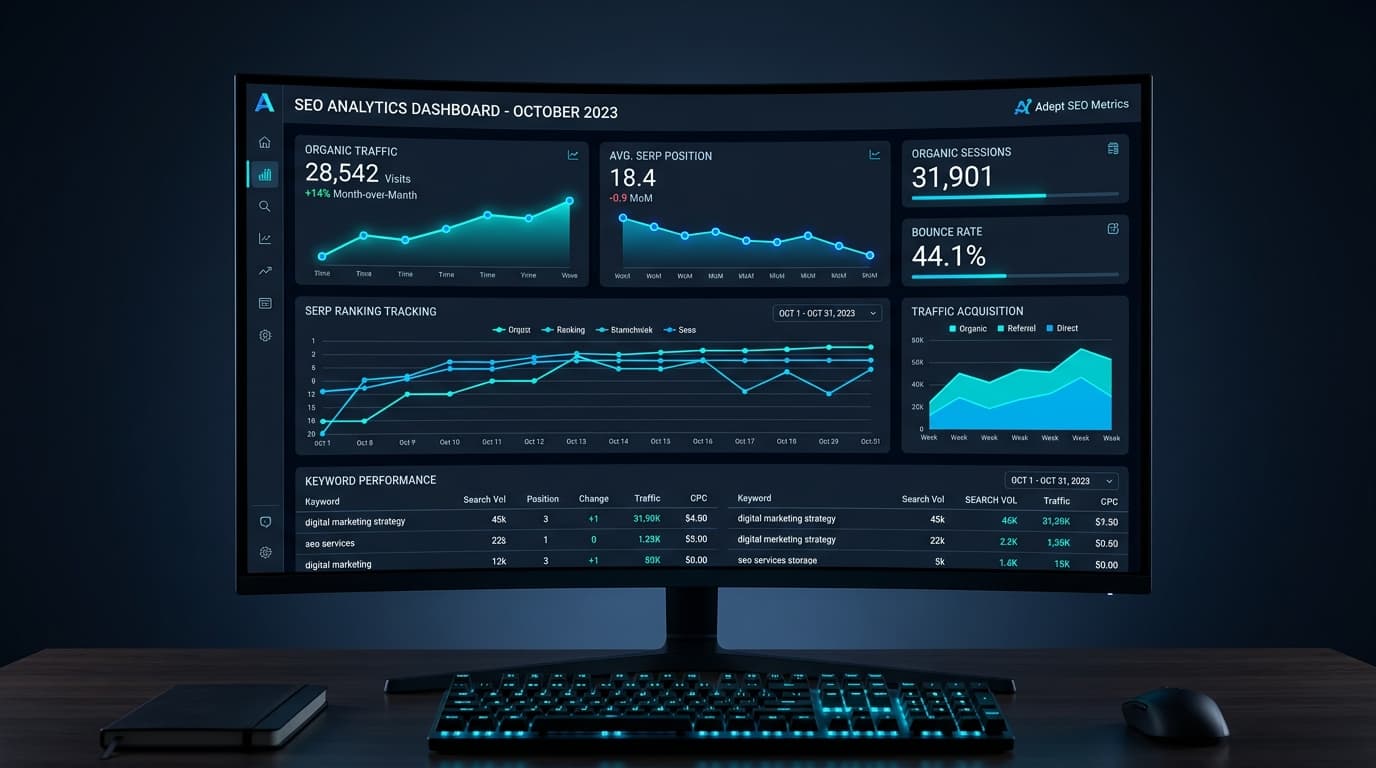
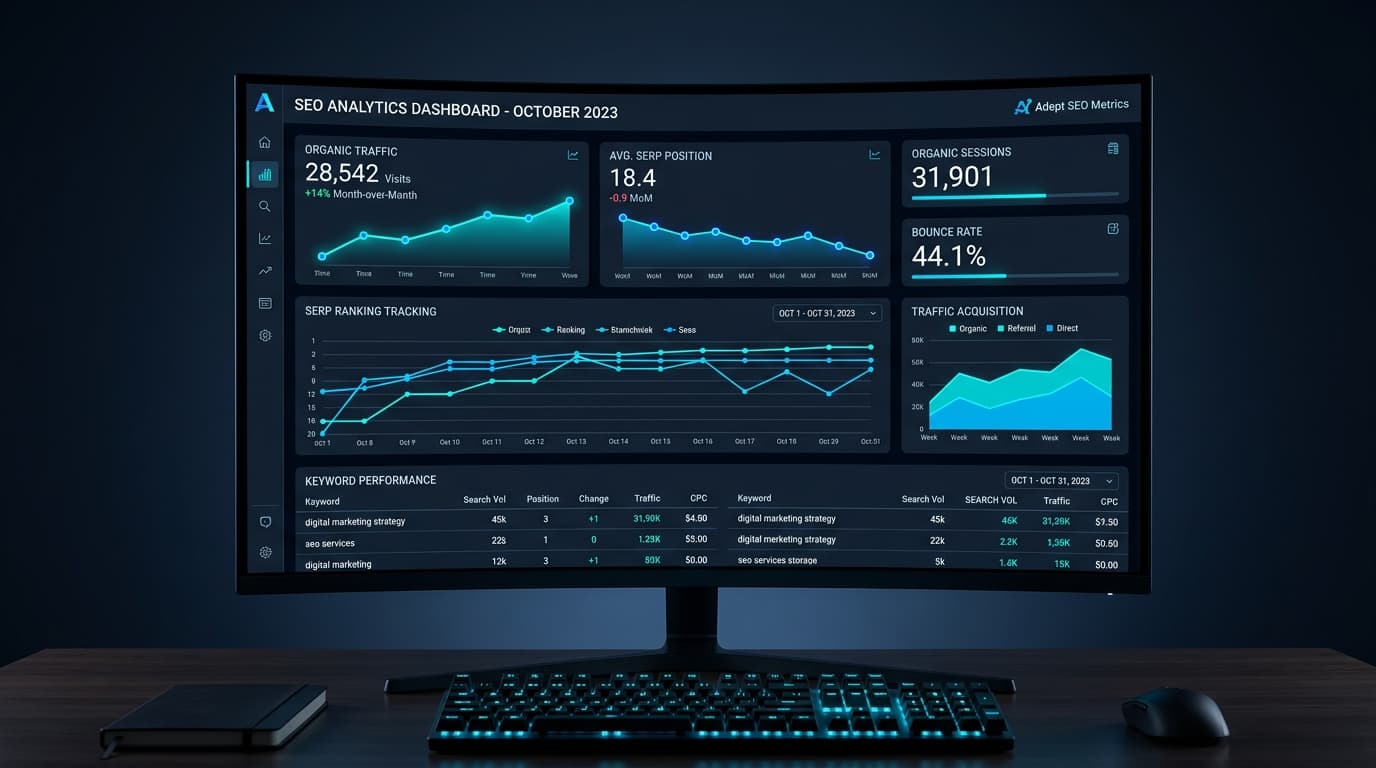
Traditional dashboards answered what happened. AI-driven systems now answer what will happen and what should be done next — including churn prediction, sentiment spikes, and campaign outcome forecasting before full budget deployment.
Decision cycles shrink dramatically. Competitive advantage comes from acting on predictions before competitors even detect the trend.
Privacy, Omnichannel, and AI Search
With tightening regulations, zero-party data — information customers willingly share — defines competitive edge. Trust becomes a performance metric.
Omnichannel orchestration across email, SMS, social, web, and paid media is no longer optional. At the same time, AI search is becoming a new discovery layer: if your brand is not surfaced in AI-generated responses, you risk disappearing from early-stage consideration.
Final Takeaway
Marketing automation in 2026 is no longer a toolset. It is an operating system for growth. The real question is not whether you are using automation — it is how intelligently your system is making decisions without constant manual intervention.
If your current setup still depends heavily on manual segmentation, delayed reporting, or channel silos, you are operating on an outdated model. The gap from here will only widen.